
Integrated Water Resources Management Remains a Critical Framework for Achieving Sustainable Water Security: Executive Director, NIWRMC
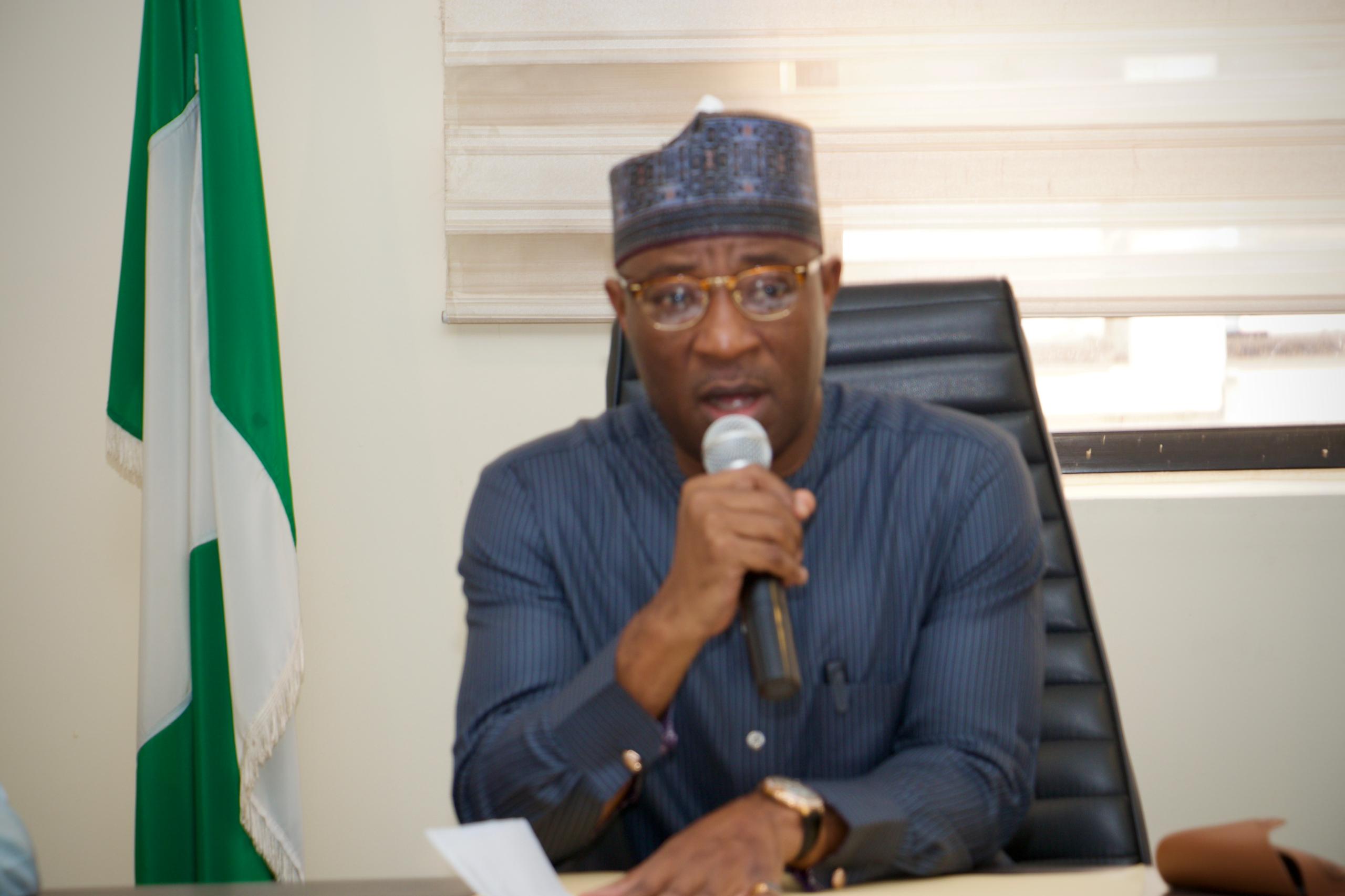
The Executive Director, Nigeria Integrated Water Resources Management Commission (NIWRMC) Dr. Abdulmumini Aminu Zaria has said that integrated water resources management remains a critical framework for achieving sustainable water security and supporting national priorities in agriculture, climate resilience, environmental protection and socio – economic development.
He stated this during the orientation meeting for the United Nations 2026 reporting on Sustainable Development Goal (SDG) indicator 6.5.1 degree of Integrated Water Resources Management (IWRM) implementation in Abuja.
Dr. Aminu-Zaria noted that “the reporting process provides Nigeria with an important opportunity not only to assess progress made so far, but to identify implementation gaps and strengthen institutional coordination towards achieving SDG target 6.5”.
Speaking further, the Executive Director said “Nigeria has demonstrated steady improvement in previous reporting cycles, however, increasing pressures from climate variability, competing water demands and environmental challenges underscore the importance of stronger collaboration among stakeholders’ institutions.
“As the designated National Focal Institution, the Nigeria Integrated Water Resources Management Commission remains committed to coordinating a transparent, inclusive and technically credible reporting process in line with global standards under the United Nations Environment Programme and the UN-Water Integrated Monitoring Initiative”, he added .
Earlier, the Coordinating Director, Corporate Support Services, Dr. Abdullahi Dangana while presenting his welcome address, stated that “Nigeria’s participation in this global reporting exercise reflects our commitment under the 2030 agenda for sustainable development to strengthen sustainable water governance and improve coordination across institutions responsible for water resources planning and management.
“Over the past reporting cycles, Nigeria has recorded steady progress in IWRM implementation, moving from 36 percent in 2017 to 47 percent in 2023. While this progress is encouraging, it also highlights the need for stronger collaboration among sector stakeholders to accelerate implementation towards the 2040 targets”, he said.
In addition, Dr. Dangana noted that the Commission has been designated as the National Focal Institution to lead the 2026 reporting exercise.
Philip Simon
Head (Press & PR)
22/4/2026
No responses yet